

Crossing the blood-brain barrier isn’t just about the molecule – it’s about the delivery system.
Crossing the blood-brain barrier isn’t just about the molecule – it’s about the delivery system.
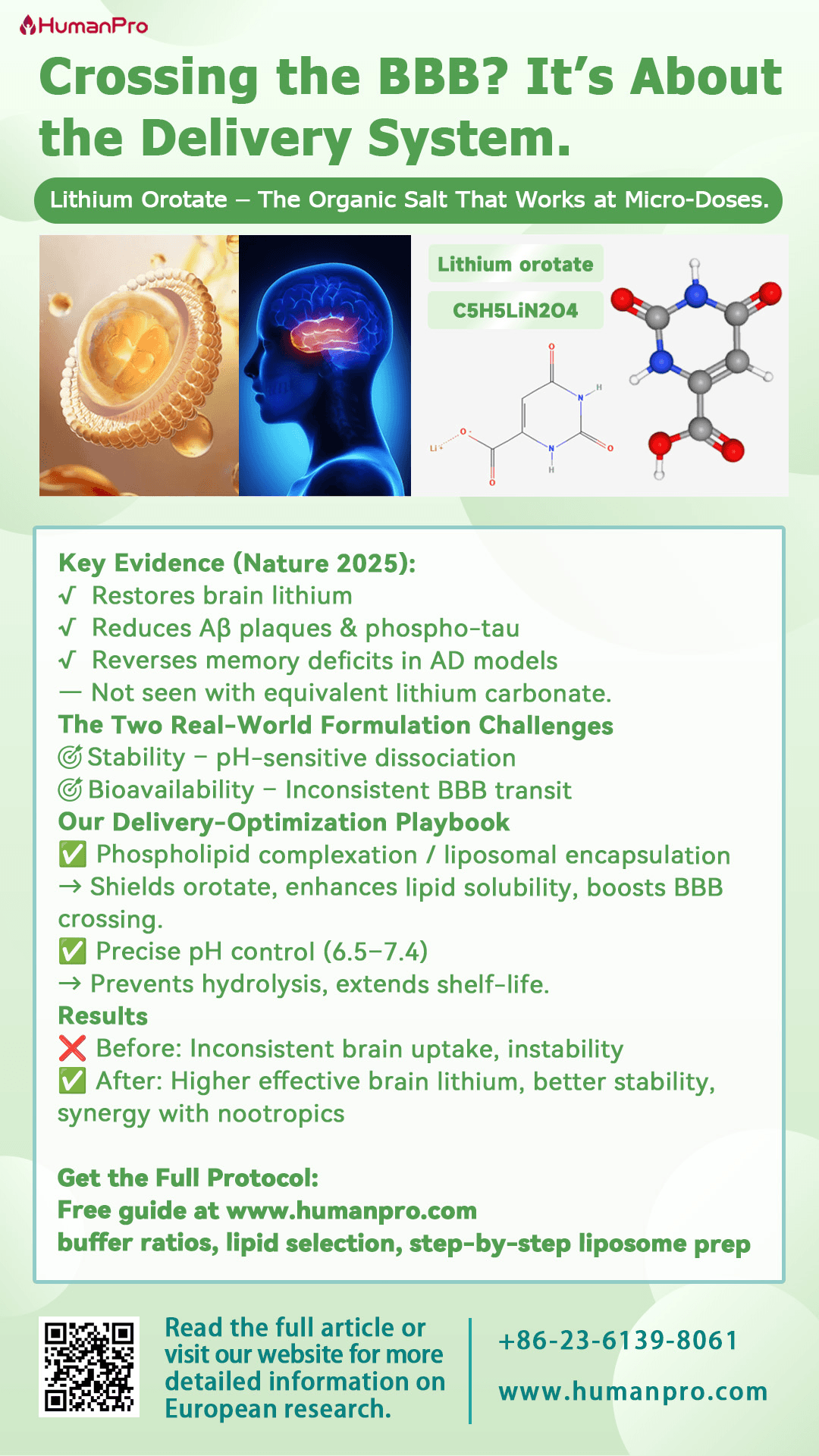
As a formulation designer specializing in brain-targeted nutraceuticals, I’ve seen lithium orotate stand out time and again. Unlike inorganic lithium carbonate, this organic salt leverages the orotate carrier to achieve superior membrane permeability – enabling meaningful brain lithium levels at micro-doses while minimizing peripheral toxicity.
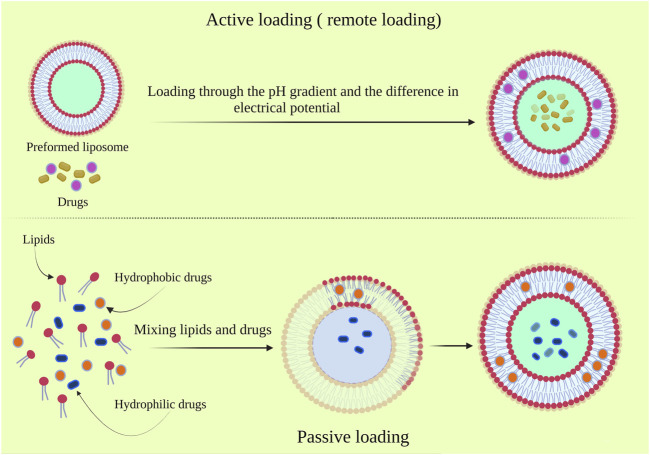
The active and passive drug loading on the liposomes
Recent preclinical data (Aron et al., Nature 2025) shows lithium orotate restores parenchymal lithium, reduces Aβ plaques and phospho-tau, and reverses memory deficits in AD mouse models – effects not seen with equivalent doses of lithium carbonate.
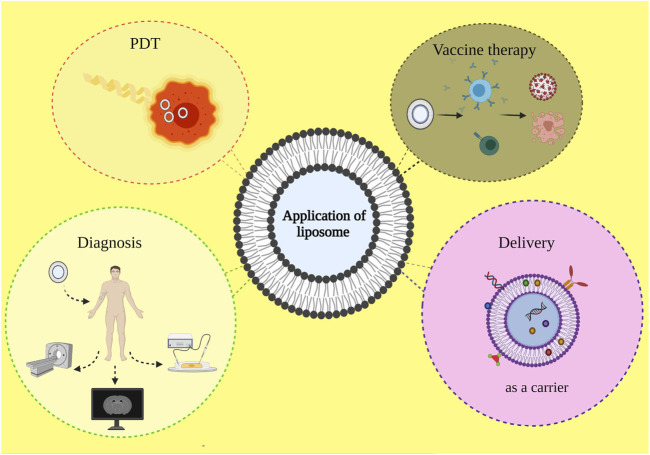
Diverse biomedical applications of liposome-based structure.
Yet in real-world formulation, raw lithium orotate still brings two classic headaches:
² Stability – pH-sensitive dissociation and precipitation in aqueous or multi-ingredient matrices.
² Bioavailability – variable GI absorption and inconsistent BBB transit.
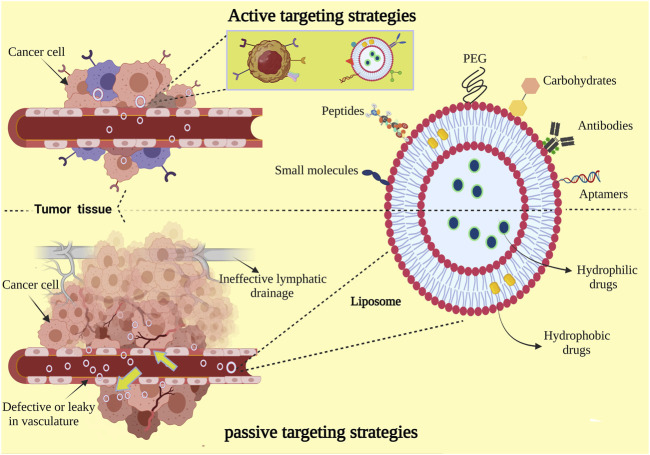
Passive vs. active targeting. Liposomes can be surface-functionalized for stealth via PEGylation (prolonging circulation half-life) and for receptor-mediated endocytosis using targeting ligands such as antibodies, peptides, aptamers, or small molecules. Depending on hydrophobicity, drugs can be encapsulated in the aqueous core, incorporated into the lipid bilayer, or conjugated to the surface.
Our delivery-optimization playbook (validated across multiple brain-health projects):
✅ Phospholipid complexation / liposomal encapsulation
Phospholipids (e.g., PC or PE) form stable complexes or unilamellar liposomes that shield the orotate salt, enhance lipid solubility, and promote membrane fusion for direct BBB crossing. Modern lipid nanocarriers boost encapsulation efficiency >50% and enable sustained release.
✅ Precise pH control
Buffer at pH 6.5–7.4 – the sweet spot for liposome integrity and minimal orotate hydrolysis. Avoid acidic (<5.5) or alkaline (>8.0) shifts. This single fix dramatically improves shelf-life and in-vivo performance.
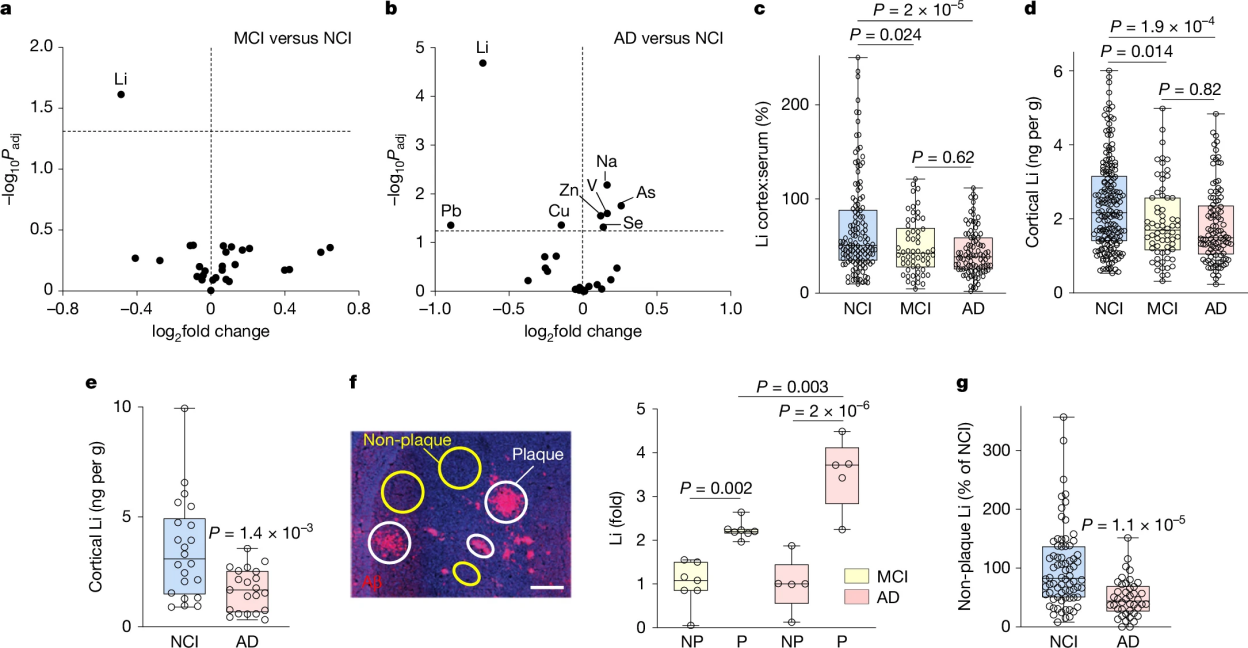
Lithium deficiency and the onset of AD
Result?
Before optimization: inconsistent brain uptake, instability, suboptimal signaling.
After: higher effective brain lithium, better stability in capsules/softgels, and measurable synergy with other nootropics.
Want the full formulation protocol?
We’ve compiled a practical guide – including exact buffer ratios, lipid selection criteria, and step-by-step liposome preparation for lithium orotate.
Download it free at www.humanpro.com/lithium-guide (or visit our formulation resource center).
Formulators: what’s your most effective delivery strategy for brain-targeted minerals? Drop your insights in the comments – let’s exchange real-world data.
#LithiumOrotate #CognitiveFormulation #BloodBrainBarrier #StabilityOptimization #DeliverySystems #FormulationLogic #HumanPro Ingredients
References:
1. Aron L. et al. (2025). Lithium deficiency and Alzheimer’s disease onset. Nature. https://www.nature.com/articles/s41586-025-09335-x
2. Zilberman Y. et al. (1979). Phospholipid liposomes for lithium delivery. Biochem Pharmacol. Pharmacol. https://pubmed.ncbi.nlm.nih.gov/41065/
3. Nakhaei P. et al. (2021). Liposomes: Structure, biomedical applications, and stability. https://pmc.ncbi.nlm.nih.gov/articles/PMC8459376/