
GHK-Cu product banner

GHK-Cu

89030-95-5

GHK-Cu
GHK-Cu

GHK-CuAnti-hair Loss
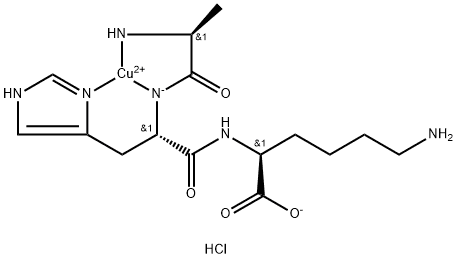
Structure: GHK-Cu structure
CAS: 89030-95-5
MF: C14H21CuN6O4
MW: 400.91
Synonyms
CG-copper peptide Copper tripeptide-1 GHK complex with copper Prezatide copper [N2-(N-Glycyl-L-histidyl)-L-lysinato(2-)]copperGhk-Cu/AHK-CUCopper tripeptide (GHK-Cu)Prezatide copper,[N2-(N-Glycyl-L-histidyl)-L-lysinato(2-)]coppertripeptide/GHK-CuCopper peptide, GHK-Cu, Copper tripeptide-1GHK CopperGHK.CU.HAC
Usage

An ingredient specializes in scalp tissue repair and regeneration by mimicking wound healing to guide cells to follicles and regulating copper ion balance to create an optimal microenvironment for hair growth.

Specification
99%+
Description

Overview

GHK-Cu (Copper tripeptide) is a naturally occurring tripeptide-copper complex that, unlike AHK-Cu, specializes in tissue repair and microenvironment regeneration. Beyond promoting collagen production like AHK-Cu, it uniquely guides repair cells to follicles by mimicking wound healing processes. It also precisely regulates copper ion balance, providing antioxidant protection while preventing metal ion-induced oxidative damage. This creates an optimal microenvironment for hair follicles, making GHK-Cu ideal for scalp regeneration and widely used in hair growth serums and scalp treatments.

EINECS: 1308068-626-2

Product Categories: Pharmaceutical;APIs; Amino Acids, Peptides, and Proteins; Nuclear Matrix-Associated Proteins; Nuclear Proteins; Proteins

Characteristics

Storage temp: under inert gas (nitrogen or Argon) at 2–8 °C

Solubility: Soluble in DMSO

Form: Solid

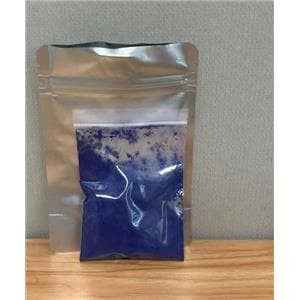
Color: Light blue to blue

Sequence: (Cu2+ )H-Glu-His-Lys-OH

Applications

1.Cosmeceuticals & Skincare: A core anti-aging ingredient widely used in serums, creams, etc., aimed at reducing wrinkles, improving skin elasticity and firmness, and leveraging its antioxidant properties for skin protection.

2.Wound Healing: Applied to promote the repair of acute and chronic wounds. It acts as a chemoattractant for inflammatory and endothelial cells to the injury site and accelerates tissue regeneration by upregulating the synthesis of extracellular matrix components.

3.Biomedical Research: Serves as a model molecule for studying tissue regeneration, anti-inflammatory, and antioxidant mechanisms. Its good biocompatibility and low toxicity also make it promising for drug delivery systems and the development of novel therapeutic agents (e.g., potential anti-tumor applications).

File NameDownload
GHK-Cu-MSDS-89030-95-5.pdf
COA-GHK-Cu-89030-95-5.pdf

Get Free Samples

Interested in testing our ingredients? Request free samples to evaluate the quality and performance of our products in your formulations.